
Preventing Norovirus in Food Facilities
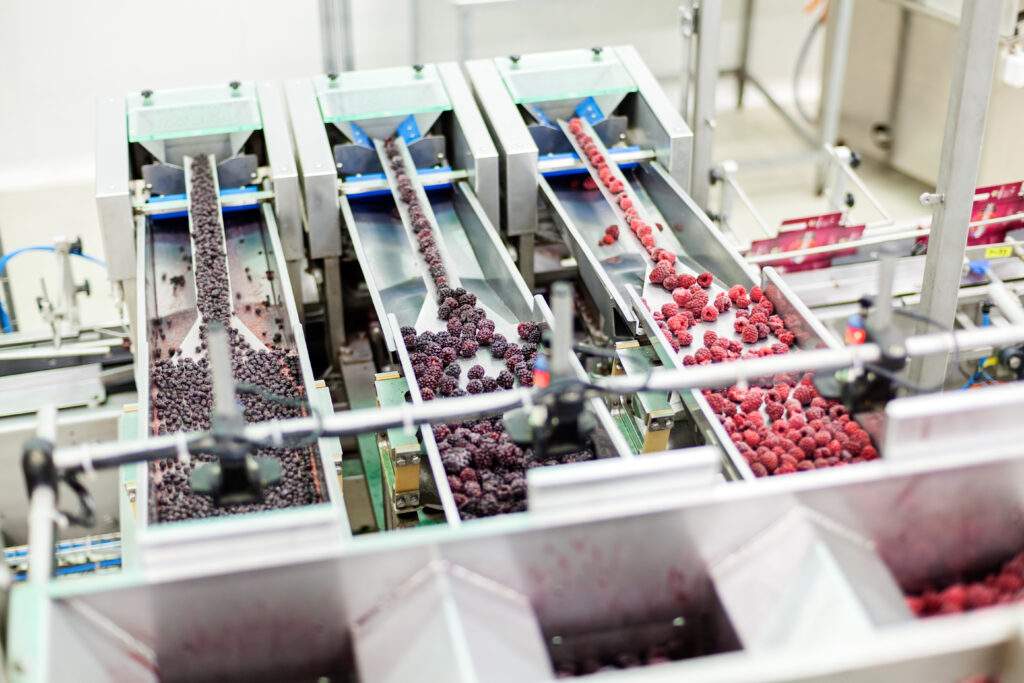
Partnering with a food copacker does not transfer legal responsibility for food safety or regulatory compliance. Under 21 CFR 117, brand owners remain accountable for approving, verifying, and documenting copacker performance within their supplier approval program.
Selecting Microorganisms for Environmental Monitoring Verification
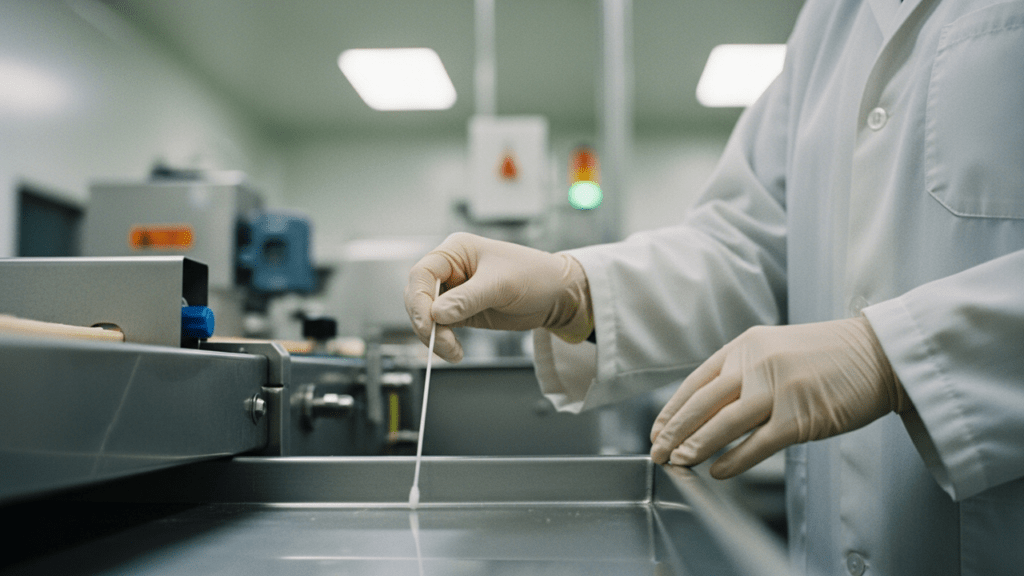
Environmental monitoring helps verify that food production environments remain sanitary and do not introduce pathogens into food products. Selecting appropriate microorganisms is an important part of an Environmental Monitoring Program (EMP) and should be based on product risks, processing conditions, and regulatory expectations.
Pathogen Methods Validation

Method validation ensures that food testing methods are reliable, accurate, and compliant with regulatory requirements. This course explains when full validation, verification, or matrix extension is required—based on FDA, AOAC, and ISO guidance. Participants will learn how to determine the appropriate level of validation for a given testing scenario to ensure their testing method aligns with regulatory expectations and method requirements.
Salmonella in Food Production
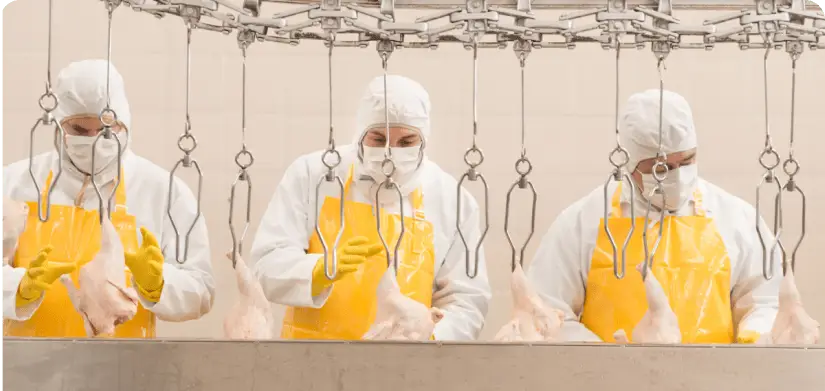
Salmonella is one of the most significant challenges in food production, contributing to widespread illnesses and substantial economic losses each year. This course is designed to provide food producers, quality assurance professionals, and regulatory personnel with essential knowledge about Salmonella, including its characteristics, sources, and control methods.
Introduction to Food Fermentation
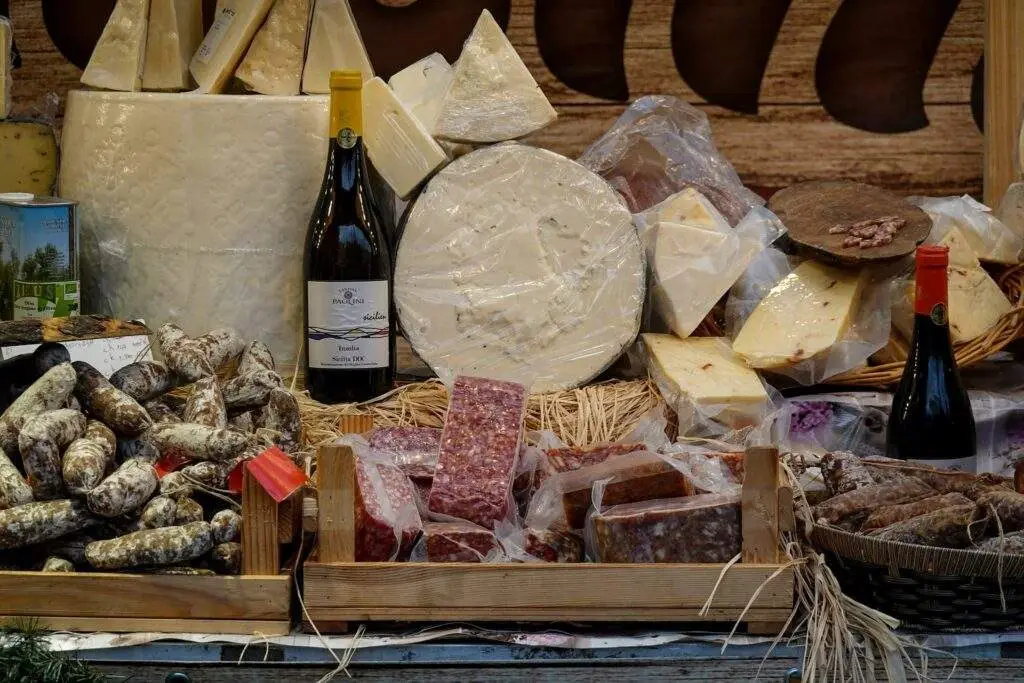
This course provides introductory information related to the fermentation of food. The covered topics include the historical context, scientific principles, major types of food fermentation processes and associated microorganisms, categorization of fermented foods, as well as troubleshooting methods and effective solutions.
Combating Cronobacter in Foods: Causes, Concerns, and Solutions
Cronobacter sakazakii is a pathogenic bacterium associated with a variety of foods, most notably dried or powdered foods, or environments. This course is designed to provide basic information about Cronobacter and the many factors that are necessary to control Cronobacter in foods or food plants.
Control of Listeria monocytogenes in Food Production
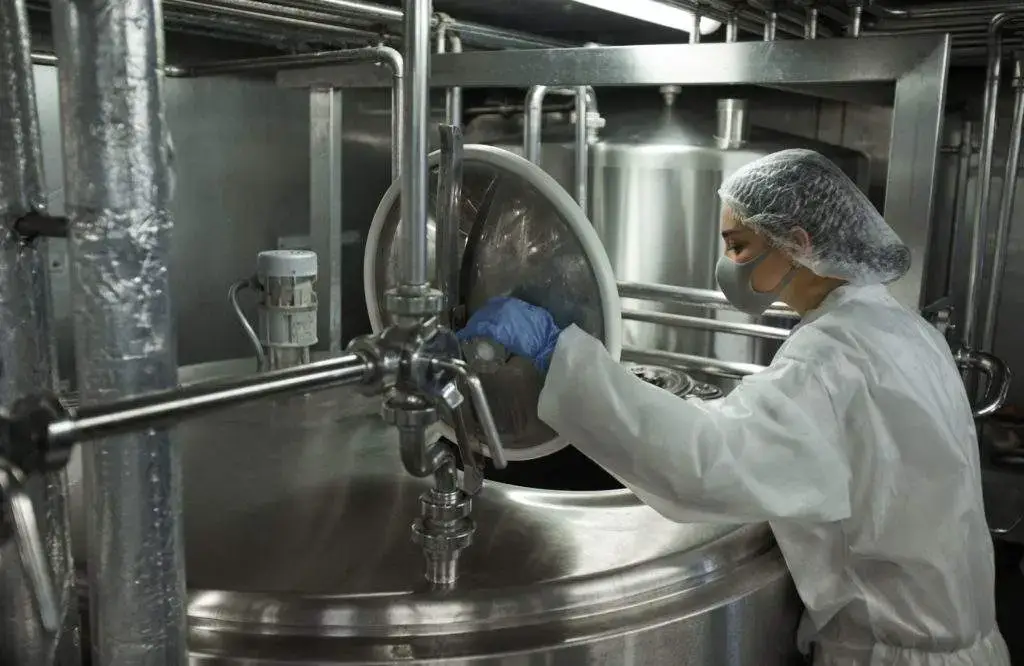
This course is devoted to teaching sanitation practices and equipment design to eliminate Lm (Listeria monocytogenes) from the processing environment and paying attention to GMPs that may contribute to contamination during processing and traffic patterns that may bring.
Environmental Monitoring and Sampling Plans
This course is designed to illustrate the critical role environmental monitoring and sampling plans play in food and beverage processing. Content in this course is curated for those who are responsible for designing, updating, and implementing the elements of an environmental monitoring program in their facility or company.
Introduction to Microorganisms in the Food Industry
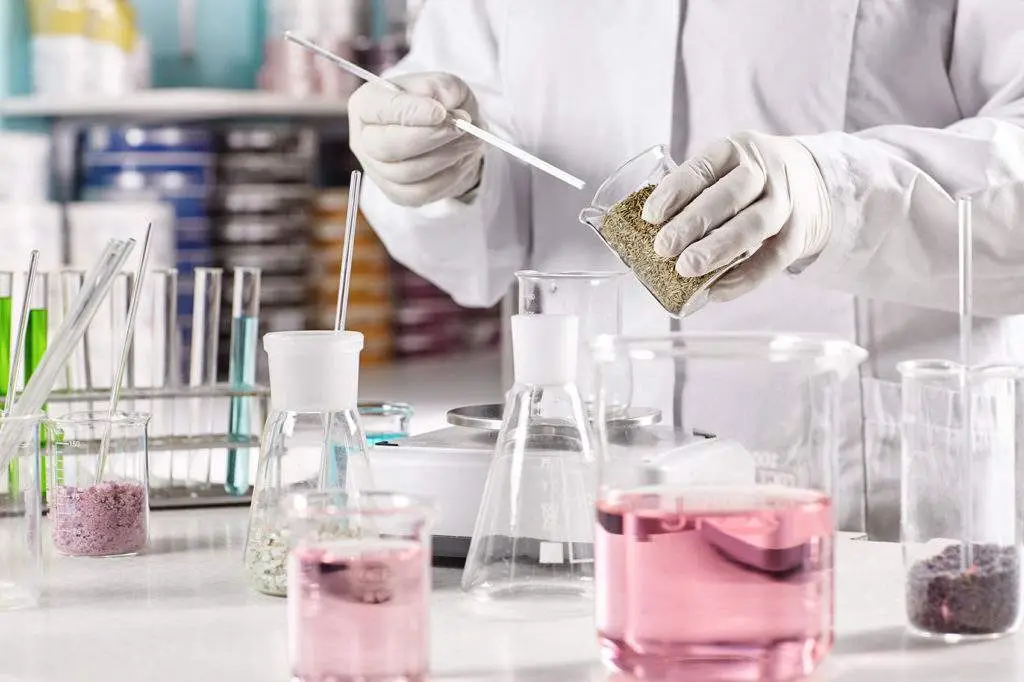
Explore the world of microorganisms in the food industry and how microorganisms play a role in food production and manufacturing. Microbes such as bacteria, molds, and yeasts are utilized for foods production.