
IEH Academy Webinar
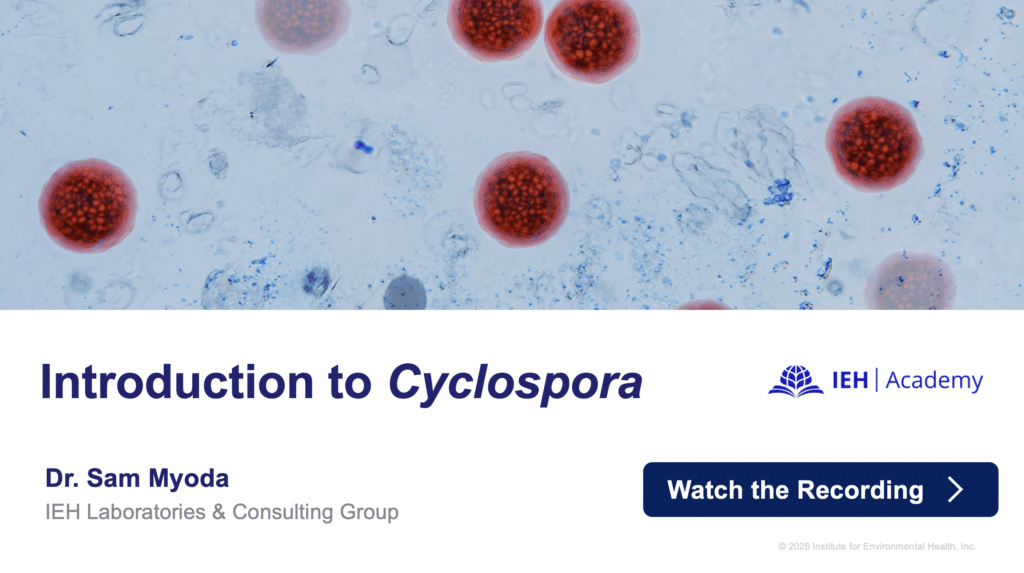
Introduction to Cyclospora
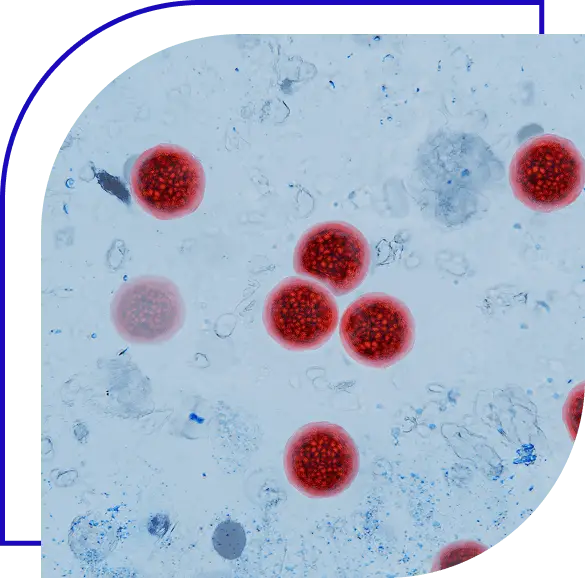
Cyclospora continues to be associated with recurring foodborne illness outbreaks. Yet important questions remain about how the parasite spreads and why certain foods and geographic regions are repeatedly implicated. Understanding these patterns is critical to improving detection, control, and prevention.
- September 24th, 2026
- 11:00 AM - 12:00 PM PST / 2:00 PM - 3:00 PM EST
- Dr. Sam Myoda
Webinar Recording
Description
This webinar examines the biology and epidemiology of Cyclospora, the foods and regions associated with outbreaks, and the factors that may contribute to their occurrence. The discussion also addresses challenges in detection and control, as well as strategies to minimize the risk of contamination and foodborne illness.
Benefits and Learning Objectives:
- Describe the biology, life cycle, and transmission of Cyclospora
- Explain the epidemiology and public health significance of Cyclospora
- Identify foods and geographic regions associated with Cyclospora outbreaks
- Examine factors associated with the occurrence and distribution of Cyclospora outbreaks
- Discuss current challenges in Cyclospora detection, investigation, and control
- Identify approaches for reducing the risk of Cyclospora contamination and foodborne illness
Agenda:
- Cyclospora biology, life cycle, and transmission
- Epidemiology and public health significance
- Foods and regions associated with outbreaks
- Factors influencing outbreak occurrence and distribution
- Detection, investigation, and control challenges
- Strategies for reducing contamination and foodborne illness
Who Should Attend:
- Food safety and quality professionals
- Food microbiologists
- Laboratory personnel
- Food safety and sanitation managers
- Processing and production professionals
- Regulatory and public health professionals
- Produce safety professionals
- HACCP and food safety management personnel
Webinar Length
1 hour with Q&A to follow.
The webinar will include a 10-minute Q&A session where attendees can ask questions related to the Introduction to Cyclospora. This interactive portion is designed to offer personalized guidance and facilitate the sharing of practical insights among participants.
- IEH Laboratories & Consulting Group
Meet the Instructor
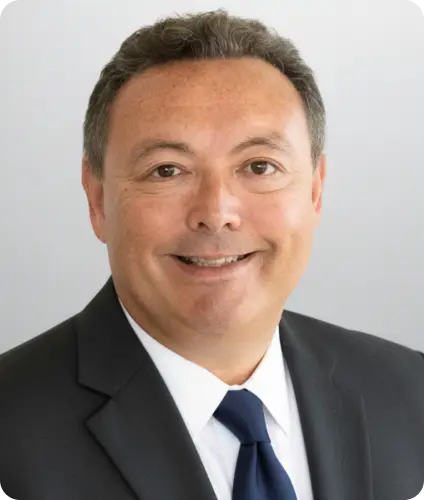
Dr. Sam Myoda
Dr. Sam Myoda joined IEH in 2007. He earned his Ph.D. in Civil & Environmental Engineering and his B.S. in Environmental Science/Biology from the University of Delaware. He was the recipient of the Wesley W. Horner Award presented by the Environmental and Water Resources Institute of the American Society of Civil Engineers (ASCE).
Prior to joining IEH, Dr. Myoda worked at the State of Delaware, Department of Natural Resources and Environmental Control (DNREC), and the Division of Water Resources (DWS). There, he set up and directed the Molecular Biology Laboratory and was also involved in many projects including microbial source tracking, research, method development, computer modeling for water quality and hydrodynamics, risk assessments, water and wastewater treatment, environmental monitoring, and regulatory and compliance issues.
During his time with DNREC, Dr. Myoda collaborated with IEH on numerous microbial source tracking and water quality projects. In 2006, he was the recipient of the DNREC/DWR “Employee of the Year” award. As a result of his accomplishments at DNREC, he was invited to participate at the 2007 Experts Scientific Workshop on Critical Research Needs for the Development of New or Revised Recreational Water Quality Criteria.
At IEH, Dr. Myoda’s primary focus is related to food safety. He is well versed in all aspects of food production, including GAPs, GMPs, HACCP, FSMA, water quality, treatment processes, environmental monitoring, root cause analysis, sanitation, facility design, and data analysis. He focuses on supporting the produce industry, outbreak and regulatory support, bioinformatics and next-generation sequencing (WGS and metagenomics), method development, process optimization, and program innovation.
Dr. Myoda has served as a consulting and testifying expert in various legal cases, including but not limited to the 2006 spinach E. coli O157 outbreak, Tyson et al. vs. Oklahoma (2007), and Plaintiffs vs. Climb Works (2019). In addition to legal cases, he regularly consults with food companies on risk assessments, program development and implementation, product testing, and regulatory issues.
Let's get in touch
Have questions? Our team is here to help. Also available is IEH customer service at (206)522-5432 or iehacademy@iehinc.com. By filling out this information, you are adhering to our privacy policy.