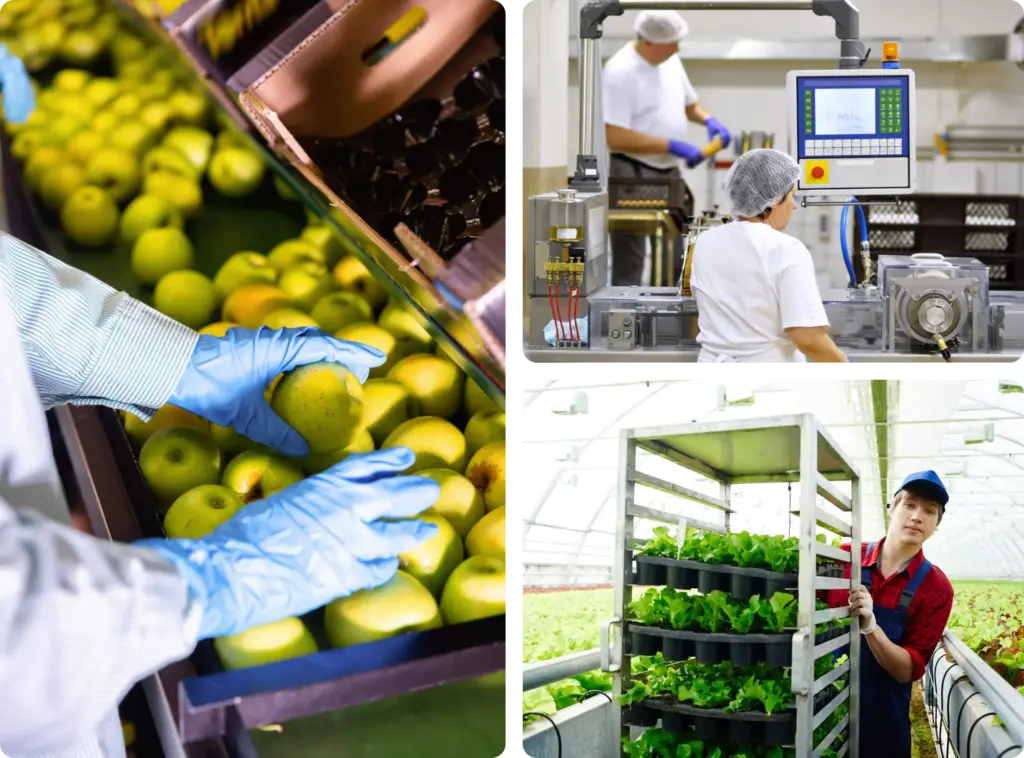

Follow along in these guided self paced eLearning modules curated by industry experts and professionals in food safety.
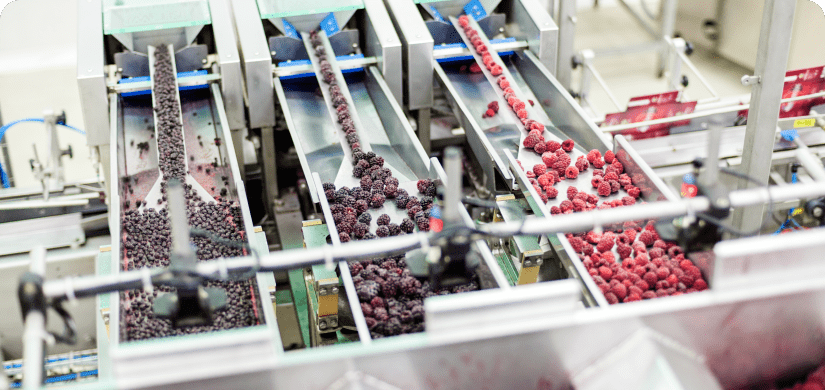
This course reviews how Norovirus spreads, why it presents a significant risk in food operations, and the controls commonly used to help reduce contamination and outbreak potential. Topics include employee health considerations, hygienic practices, cleaning and disinfection considerations, and FDA expectations associated with personnel requirements under 21 CFR Part 117.
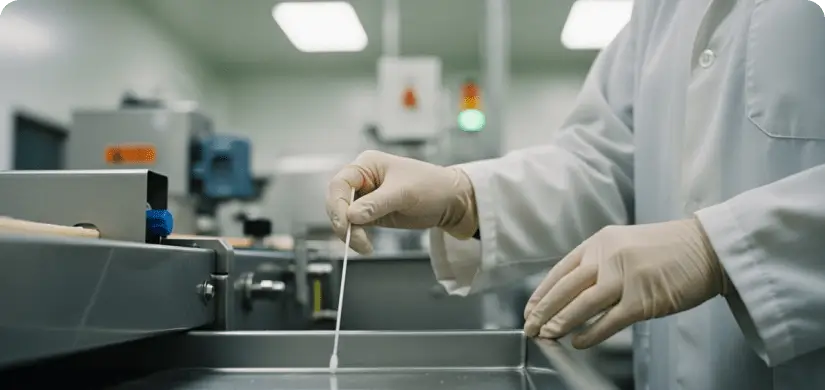
Environmental monitoring helps verify that food production environments remain sanitary and do not introduce pathogens into food products. Selecting appropriate microorganisms is an important part of an Environmental Monitoring Program (EMP) and should be based on product risks, processing conditions, and regulatory expectations.

Method validation ensures that food testing methods are reliable, accurate, and compliant with regulatory requirements. This course explains when full validation, verification, or matrix extension is required—based on FDA, AOAC, and ISO guidance. Participants will learn how to determine the appropriate level of validation for a given testing scenario to ensure their testing method aligns with regulatory expectations and method requirements.
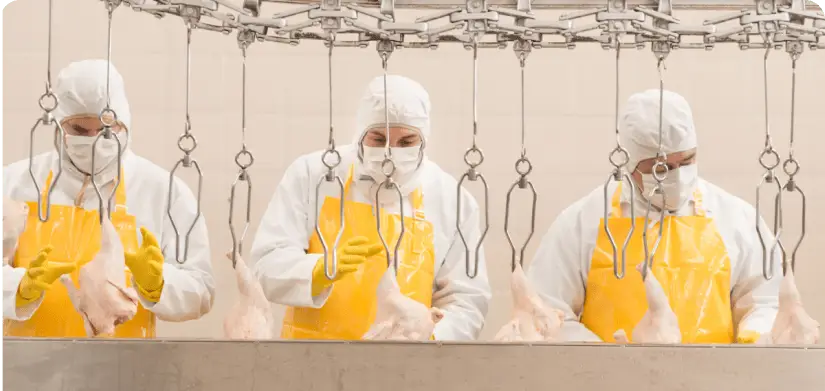
Salmonella is one of the most significant challenges in food production, contributing to widespread illnesses and substantial economic losses each year. This course is designed to provide food producers, quality assurance professionals, and regulatory personnel with essential knowledge about Salmonella, including its characteristics, sources, and control methods.
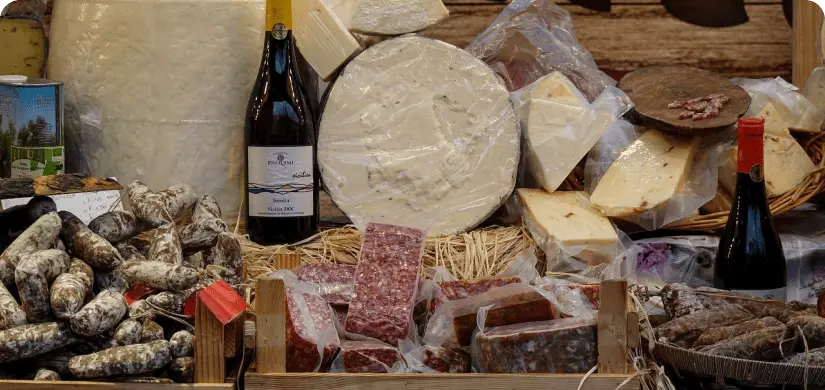
This course provides introductory information related to the fermentation of food. The covered topics include the historical context, scientific principles, major types of food fermentation processes and associated microorganisms, categorization of fermented foods, as well as troubleshooting methods and effective solutions.
Cronobacter sakazakii is a pathogenic bacterium associated with a variety of foods, most notably dried or powdered foods, or environments. This course is designed to provide basic information about Cronobacter and the many factors that are necessary to control Cronobacter in foods or food plants.
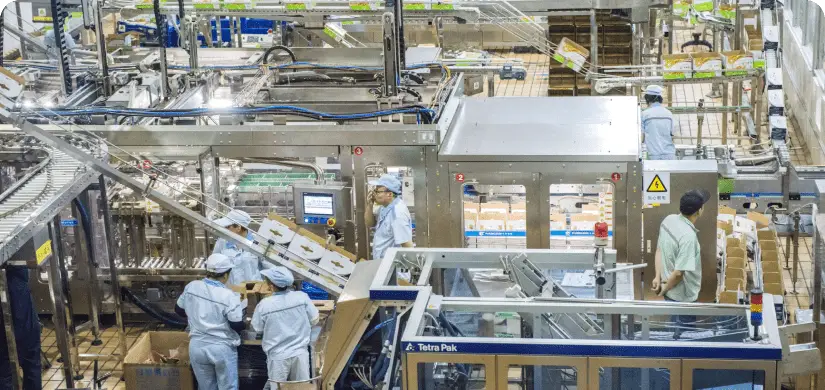
This course is devoted to teaching sanitation practices and equipment design to eliminate Lm from the processing environment and paying attention to GMPs that may contribute to contamination during processing and traffic patterns that may bring.

This course is designed to illustrate the critical role environmental monitoring and sampling plans play in food and beverage processing. Content in this course is curated for those who are responsible for designing, updating, and implementing the elements of an environmental monitoring program in their facility or company.
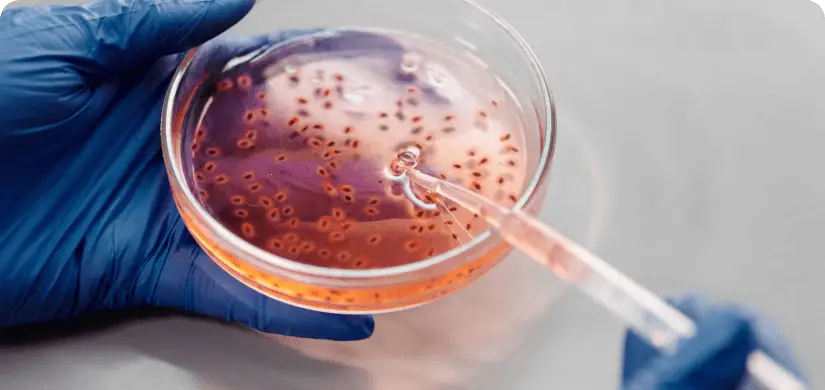
Explore the world of microorganisms in the food industry and how microorganisms play a role in food production and manufacturing. Microbes such as bacteria, molds, and yeasts are utilized for foods production.
We use cookies to improve your experience on our site. By using our site, you consent to cookies.
Manage your cookie preferences below:
Essential cookies enable basic functions and are necessary for the proper function of the website.
These cookies are needed for adding comments on this website.
Google reCAPTCHA helps protect websites from spam and abuse by verifying user interactions through challenges.
Google Tag Manager simplifies the management of marketing tags on your website without code changes.
Statistics cookies collect information anonymously. This information helps us understand how visitors use our website.
Google Analytics is a powerful tool that tracks and analyzes website traffic for informed marketing decisions.
Service URL: policies.google.com (opens in a new window)
You can find more information in our Privacy Policy and .