
Validation of Electronic Record Keeping Systems to Meet the 21 CFR Part 11 Regulation

This course provides a practical overview of the Ball Formula Calculation Method used to determine thermal process time and lethality in low-acid canned foods. Participants review the underlying theory, key parameters, and application of the method, including interpretation of heat penetration data and calculation of heating and cooling factors. The course also examines the method’s advantages and limitations, as well as how it compares with other thermal process calculation approaches.
Reconditioning of Adulterated Food Products
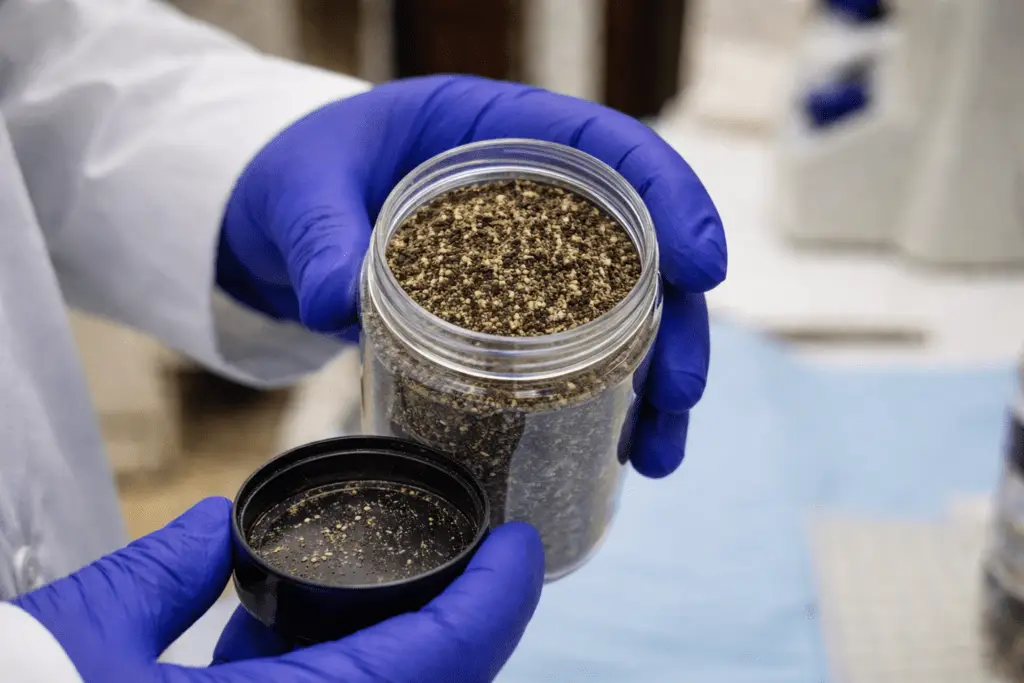
This course explains the regulatory and scientific considerations for reconditioning adulterated food products. When a product is determined to be adulterated, options may include recall, detention, or destruction unless reconditioning can be demonstrated to restore the product to a safe and compliant condition.
Developing Food Product Specifications

This course covers how to develop, review, and maintain food product specifications that support food safety, accurate labeling, and regulatory compliance. Product specifications function as the central reference point for how a product is defined, produced, and controlled across operations.
Peanut 101: Ingredient Uniformity (PART II)

In this course, we continue our focus on ingredient uniformity and how it leads to food safety and food product performance, specifically addressing growing environment, climate and weather.
Introduction to Food Fermentation
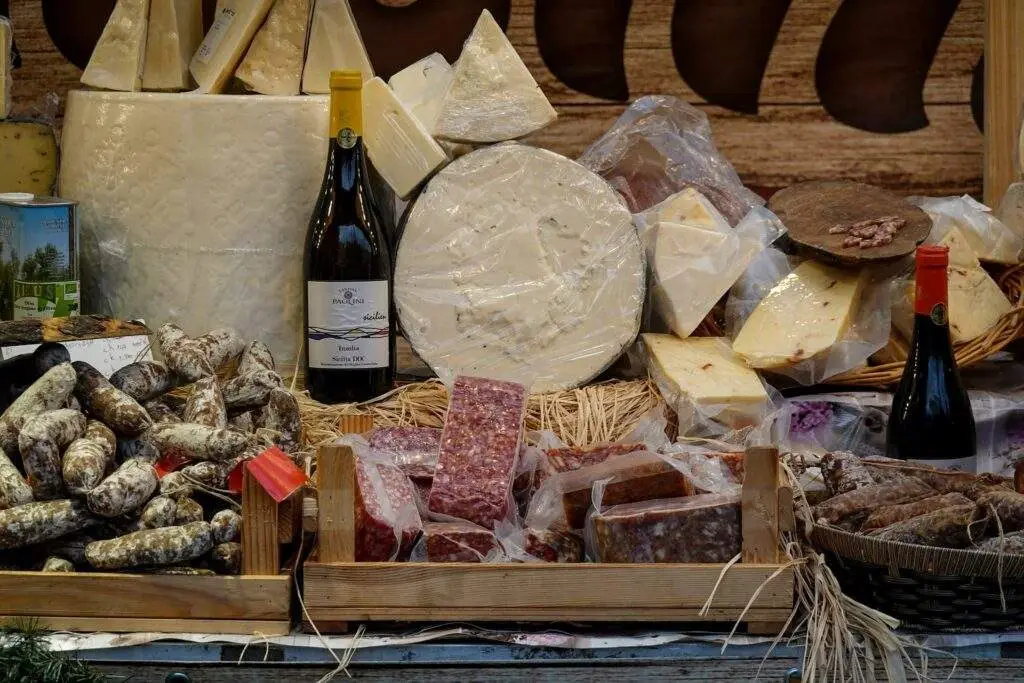
This course provides introductory information related to the fermentation of food. The covered topics include the historical context, scientific principles, major types of food fermentation processes and associated microorganisms, categorization of fermented foods, as well as troubleshooting methods and effective solutions.
Peanut 101: Ingredient Uniformity (PART I)
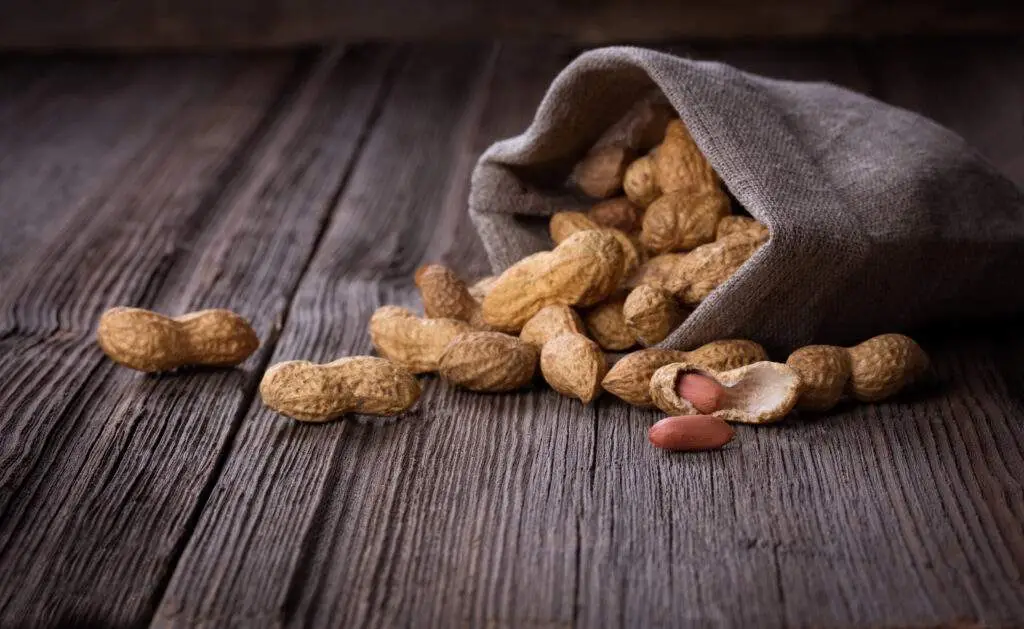
Join us for the latest edition of our Peanut 101 eLearning series, In this course, our spotlight turns to the crucial aspect of ingredient uniformity, exploring its direct impact on food safety and the performance of food products.
Combating Cronobacter in Foods: Causes, Concerns, and Solutions

Cronobacter sakazakii is a pathogenic bacterium associated with a variety of foods, most notably dried or powdered foods, or environments. This course is designed to provide basic information about Cronobacter and the many factors that are necessary to control Cronobacter in foods or food plants.
Peanut 101: Introduction
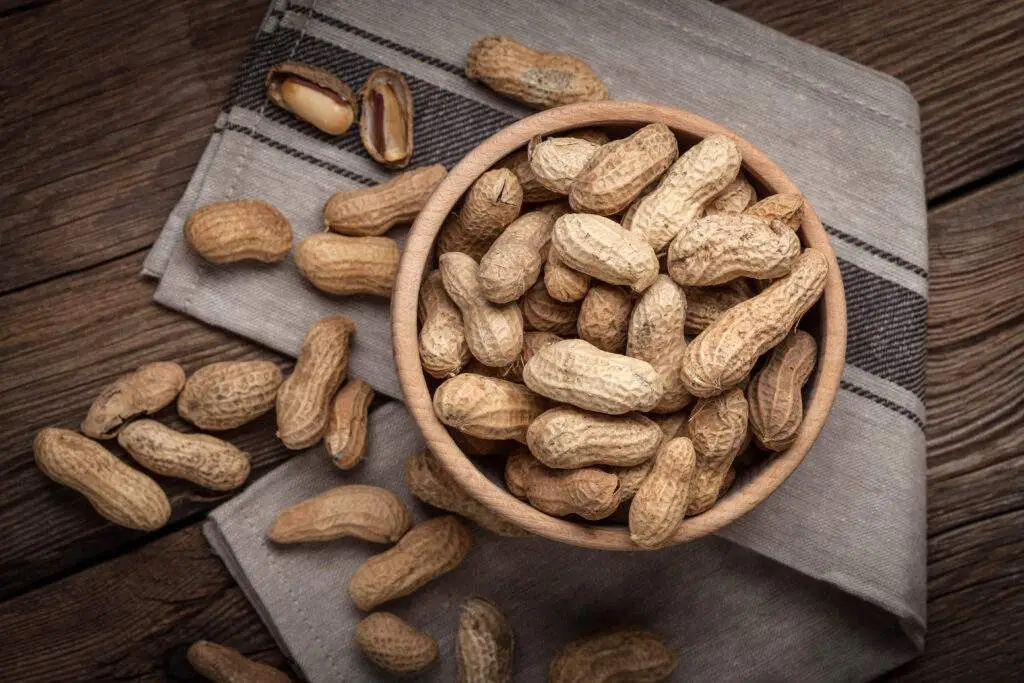
If you grow, process or use peanuts as ingredients in products destined for domestic or international consumer markets, questions about ingredient uniformity, ingredient safety and ingredient performance may have come to mind as you work with the seed of this very interesting plant.
Sensory Analysis for Production and QA Managers
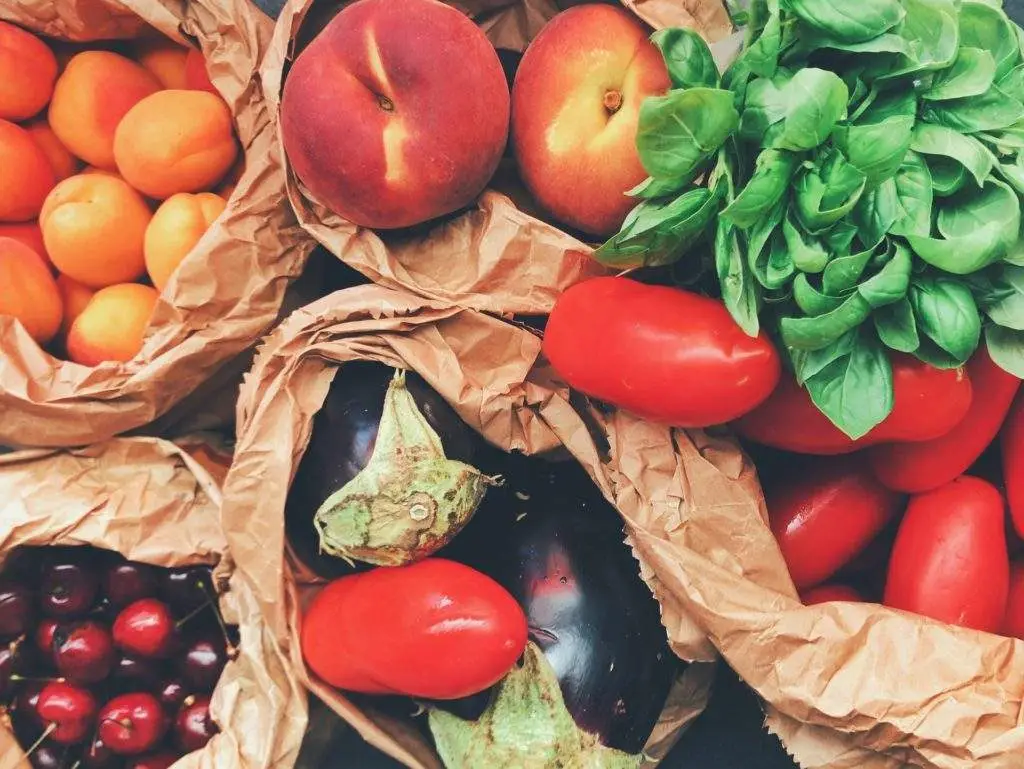
This course covers introductory information involving the sensory evaluation of food. Upon completion of this course, you should understand the aspects of sensory analysis and be able to assist in developing a sensory program at your company.
General Thermal Bacteriology Applied to Foods
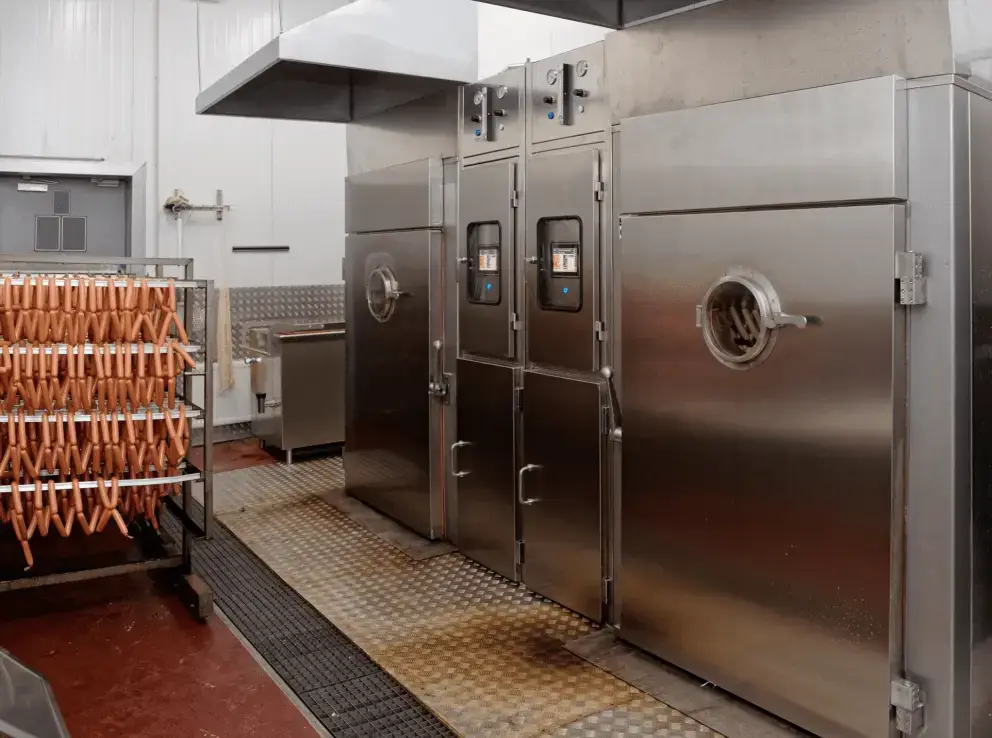
Pathogens, or harmful microorganisms, are responsible for a large number of foodborne illnesses and deaths in the U.S. every year. Many of these infections come from foods that are considered fully cooked. Food producers need to understand how thermal processing removes pathogens from products and what steps are necessary to ensure a successful heat treatment.