
Dealing with Major Disruptions in Food Processing
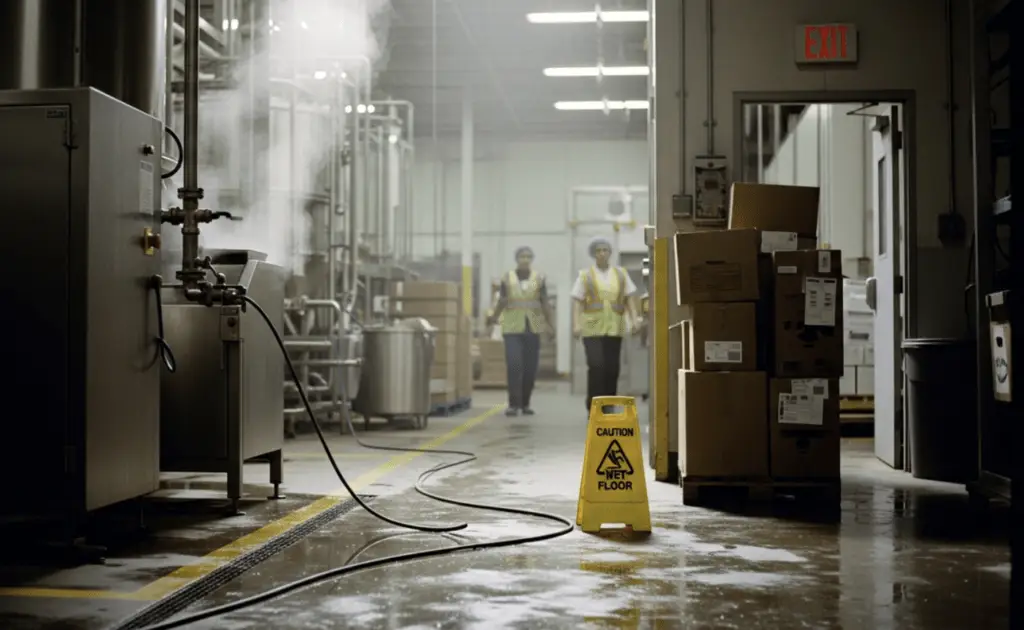
This course provides practical guidance on identifying potential disruptions, evaluating their impact, and developing response strategies that help protect consumers, maintain operations, and support business continuity. Participants will learn how to apply risk-based thinking to disruption planning and strengthen preparedness before an event occurs.
Heat Stress

Working in hot environments can pose serious health risks. This course provides an overview of heat-related illnesses, the factors that contribute to heat stress, and the measures used to prevent heat-related incidents.
Understanding Chemical Hazards for Food Producers and Processors
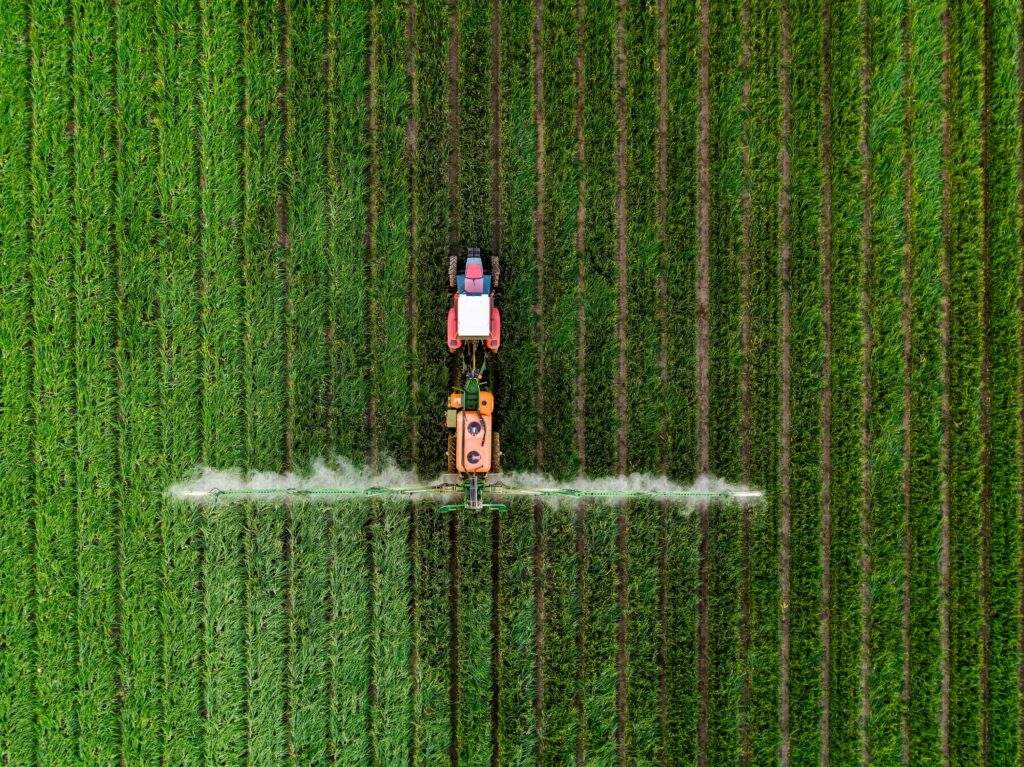
Chemical hazards—whether naturally occurring or introduced during food production and processing—can pose significant risks to consumers and result in costly recalls, regulatory action, and reputational damage for food producers.
This course provides a practical overview of chemical hazards in foods, grounded in toxicology principles and regulatory expectations.
Food Safety Guidance for Contractors and Maintenance
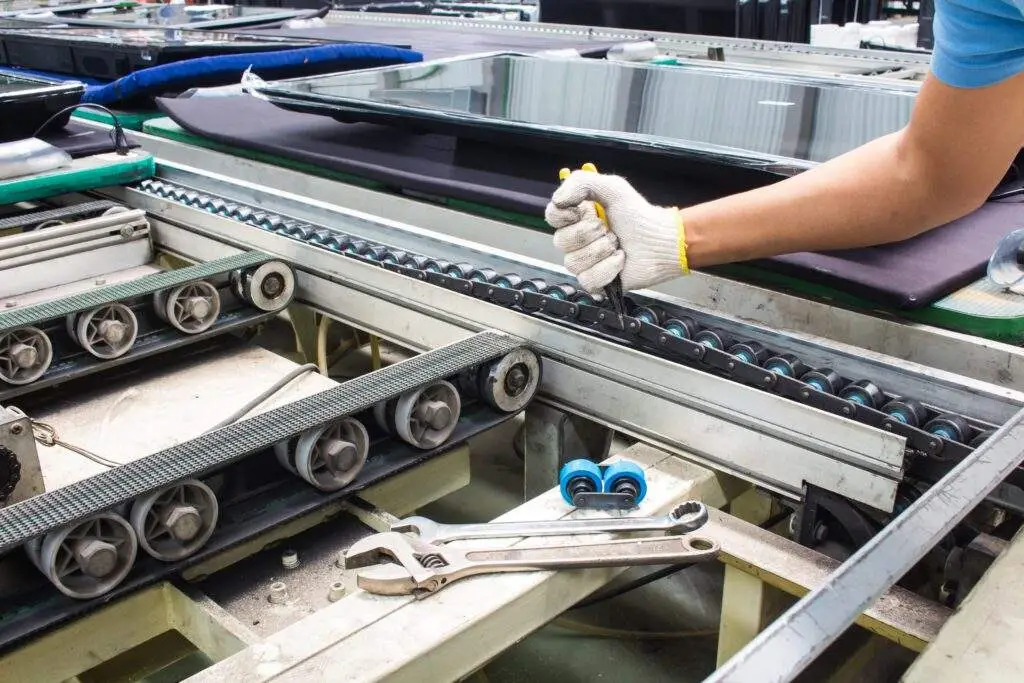
Contractors and maintenance crews support the operation of food production facilities, but their activities can introduce significant food safety risks if not properly managed.
This course provides practical guidance on preventing contamination during construction, repairs, or equipment servicing in food environments.
Food Defense
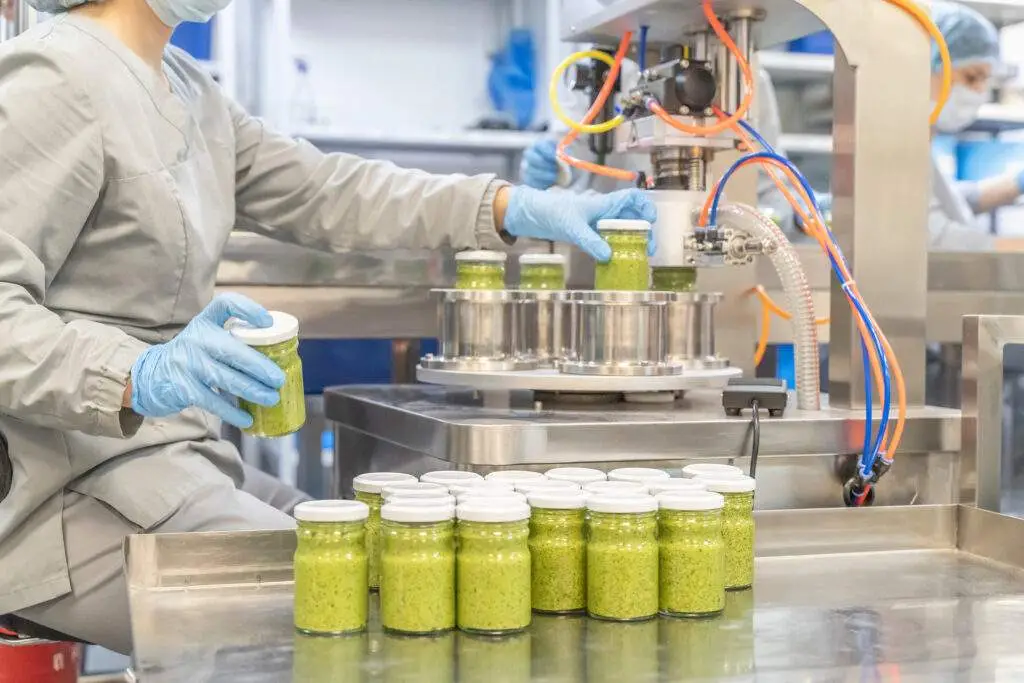
This course equips food industry professionals with the critical knowledge and practices needed to prevent intentional adulteration in food production and supply.
Participants will examine the critical role of food defense in protecting consumers, maintaining brand integrity, and meeting both government and global safety standards.
Six Sigma Application for the Food Industry
Six Sigma statistical techniques are exceptionally effective for high-volume food and beverage manufacturing. In this course, we cover case studies demonstrating how data-driven decisions can enhance cost efficiency, quality, food safety, and productivity.
Allergen Control Introduction

Allergen Control Introduction Course details Self-Paced eLearning FREE 15 Mins Certificate of Completion Available Available in Spanish In this course, we’ll explore the basics of food allergens and highlight why allergen control is essential. Participants will learn about key aspects of allergen control, including risk assessment, mitigation strategies, allergen mapping, and validation. ENROLL NOW (ENGLISH) […]
Foreign Material Control 101
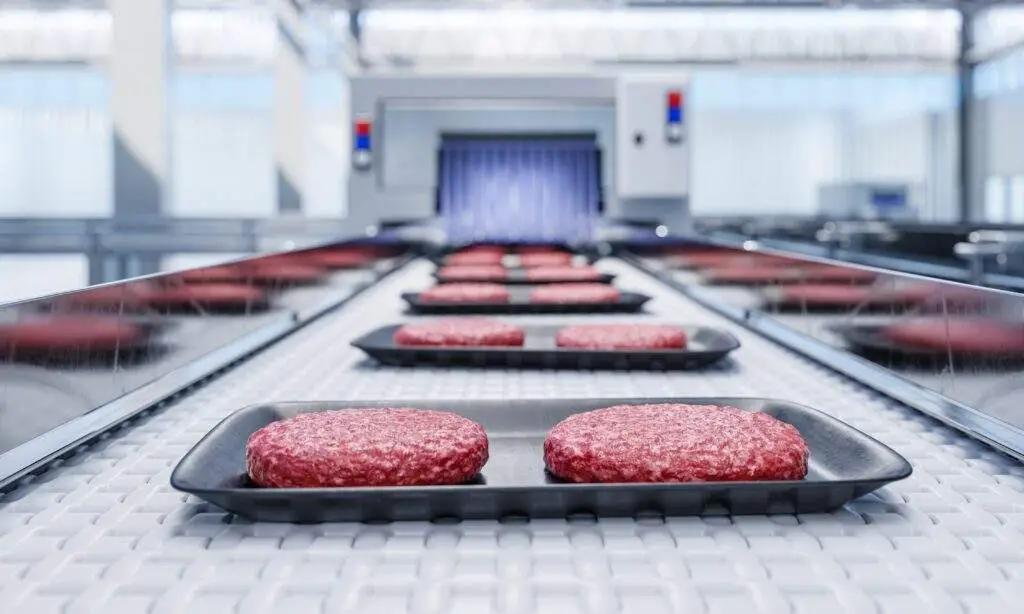
Understanding how to manage foreign materials is critical for ensuring the safety and quality of food products. This course equips participants with practical strategies and programs to reduce risks associated with foreign material contamination, empowering them to contribute to a safer food production environment.
Physical Hazards & Controls
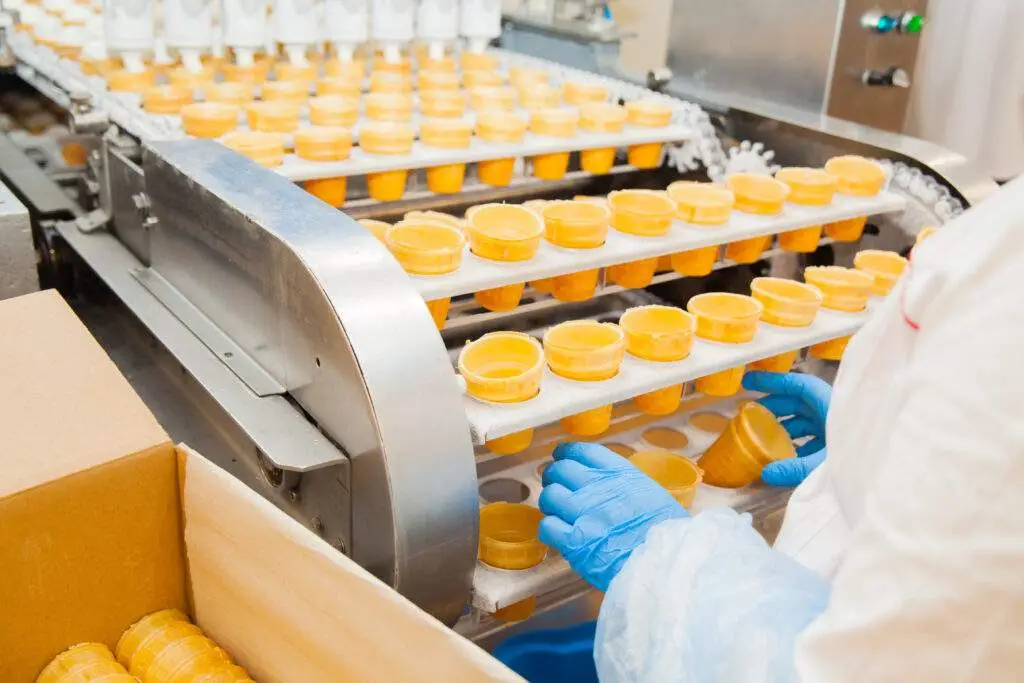
Physical Hazards & Controls Course details Self-Paced eLearning FREE 15 Mins Certificate of Completion Available Available in Spanish Producing and selling safe food is crucial for both businesses and consumers, to protect public health. When we consume food or beverages, we naturally expect certain qualities in terms of appearance, smell, and taste. How do you […]
Biosecurity for Food Processors
Biosecurity for Food Processors Course details Self-Paced eLearning FREE 15 Mins Certificate of Completion Available Available in Spanish This course is designed to educate food industry employees on improving safe food practices and understanding crucial biosecurity principles. It emphasizes the importance of preventive measures in ensuring food safety, identifies potential contaminants, and provides actionable guidance […]