
Regulation of Dairy Foods in the United States
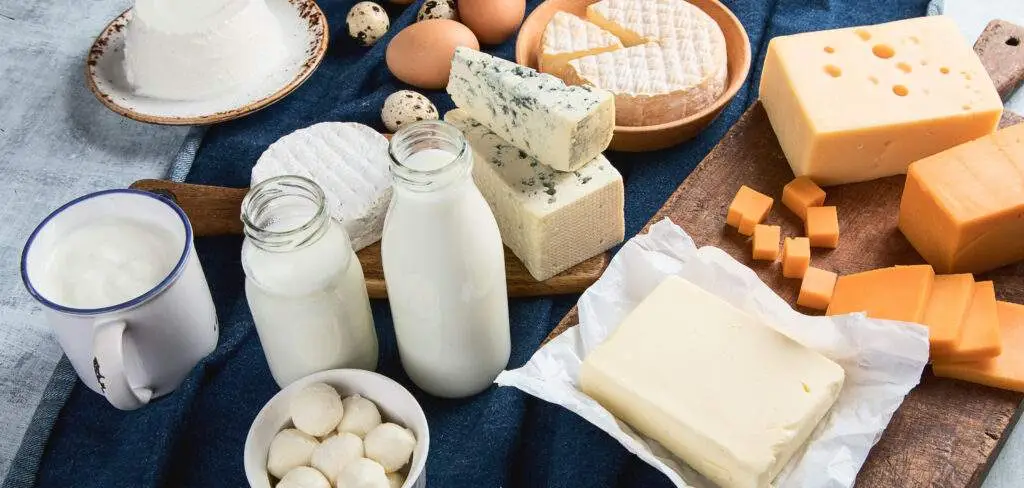
The Pasteurized Milk Ordinance (PMO) establishes safety standards for Grade “A” milk and milk products, ensuring public health protection and industry compliance. This course explores the history, regulatory framework, and key requirements of the PMO and its role in interstate milk shipments and food safety enforcement.
Organic Manufacturing Compliance
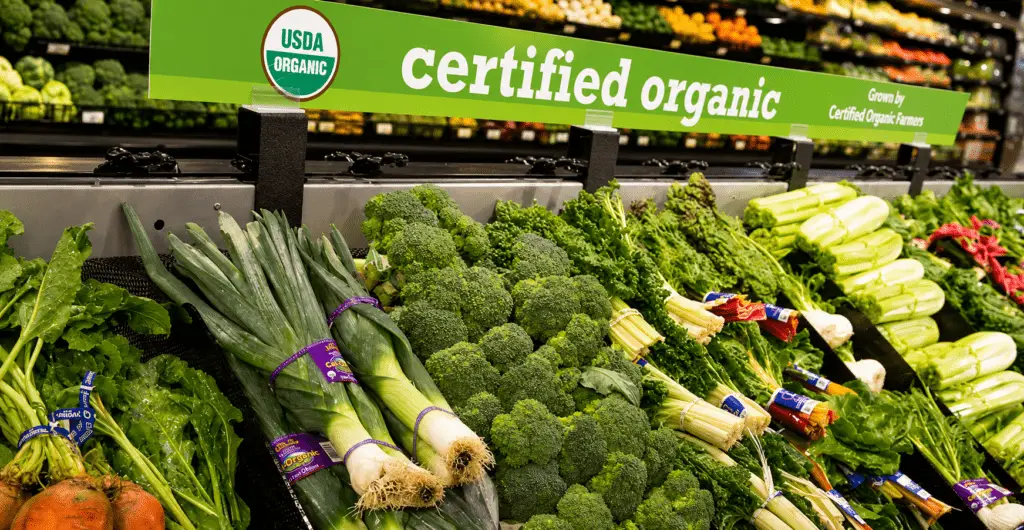
This course provides an overview of Organic Manufacturing Compliance under the National Organic Program (NOP), focusing on requirements in Title 7 U.S.C. Chapter 94 (Organic Certification) and 7 CFR Part 205. It explains how organic certification functions as a regulated system overseen by USDA’s Agricultural Marketing Service (AMS), and how it applies to production, handling, labeling, and certification activities. Learners will develop the ability to interpret key requirements, support audits, manage interactions with certifiers, and identify compliance risks that may affect certification and organic integrity.
Reconditioning of Adulterated Food Products
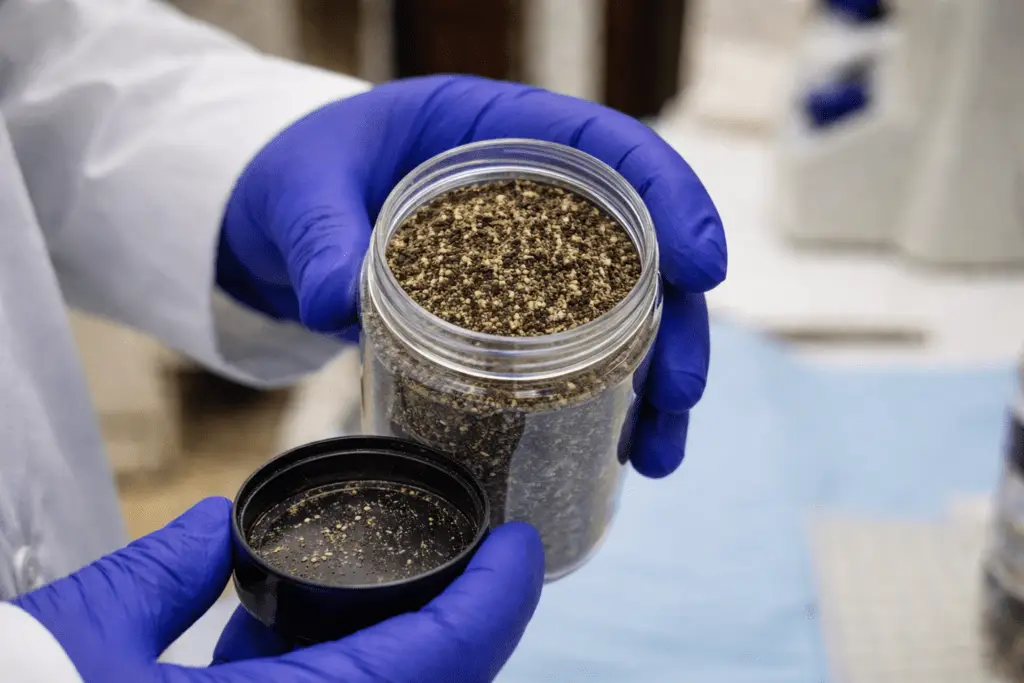
This course explains the regulatory and scientific considerations for reconditioning adulterated food products. When a product is determined to be adulterated, options may include recall, detention, or destruction unless reconditioning can be demonstrated to restore the product to a safe and compliant condition.
Developing Food Product Specifications
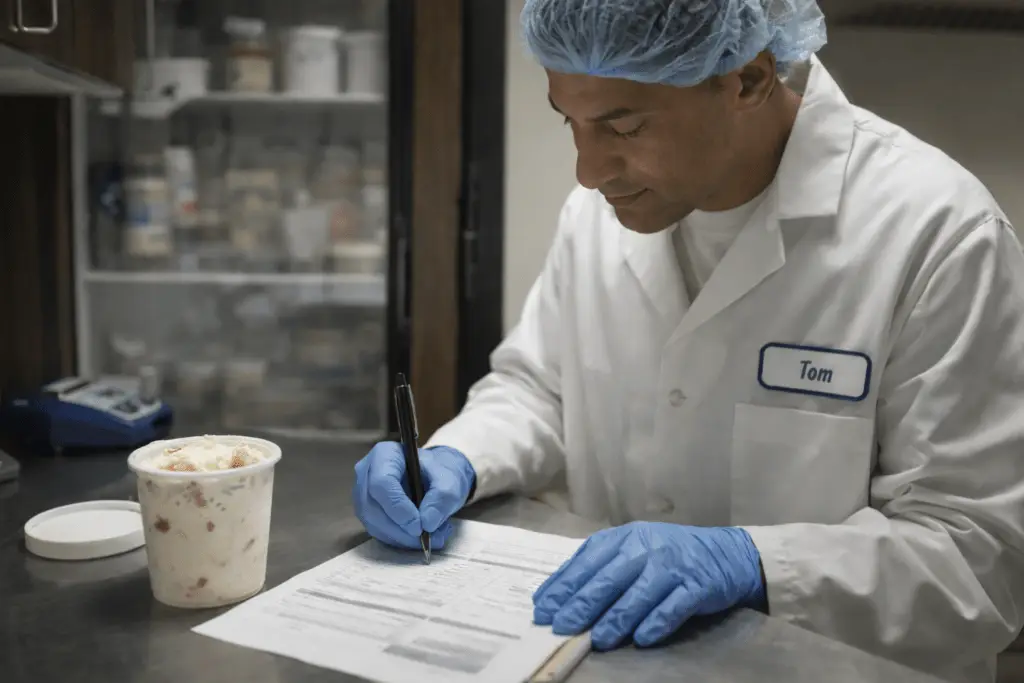
This course covers how to develop, review, and maintain food product specifications that support food safety, accurate labeling, and regulatory compliance. Product specifications function as the central reference point for how a product is defined, produced, and controlled across operations.
Food Copacker Approval & Oversight Program
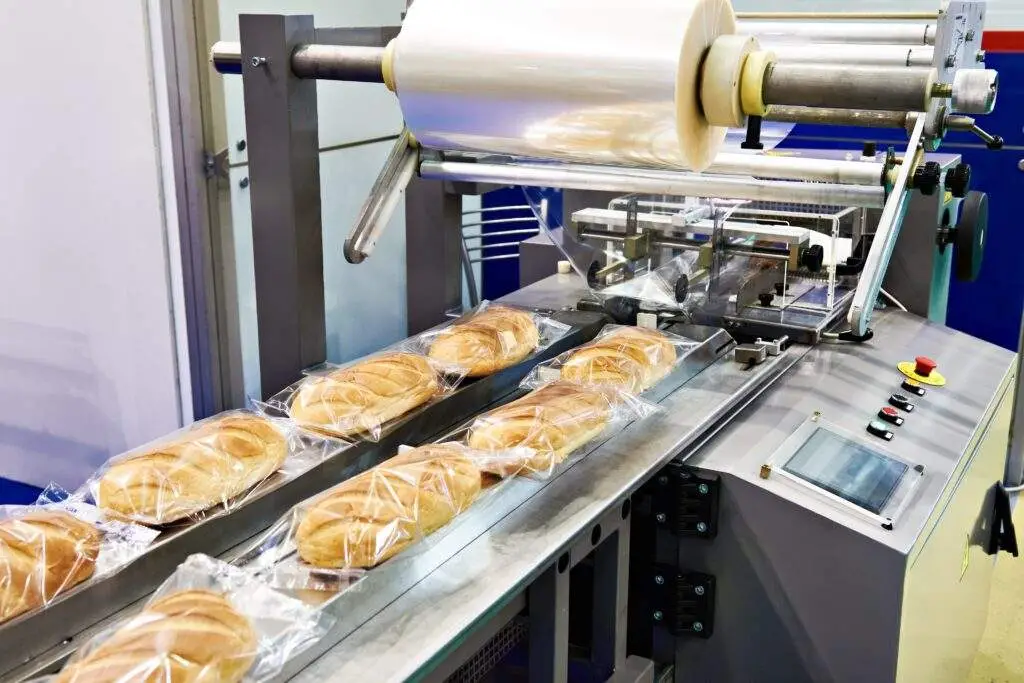
Partnering with a food copacker does not transfer legal responsibility for food safety or regulatory compliance. Under 21 CFR 117, brand owners remain accountable for approving, verifying, and documenting copacker performance within their supplier approval program.
Primary Food-Contact Materials and Recycling Rules
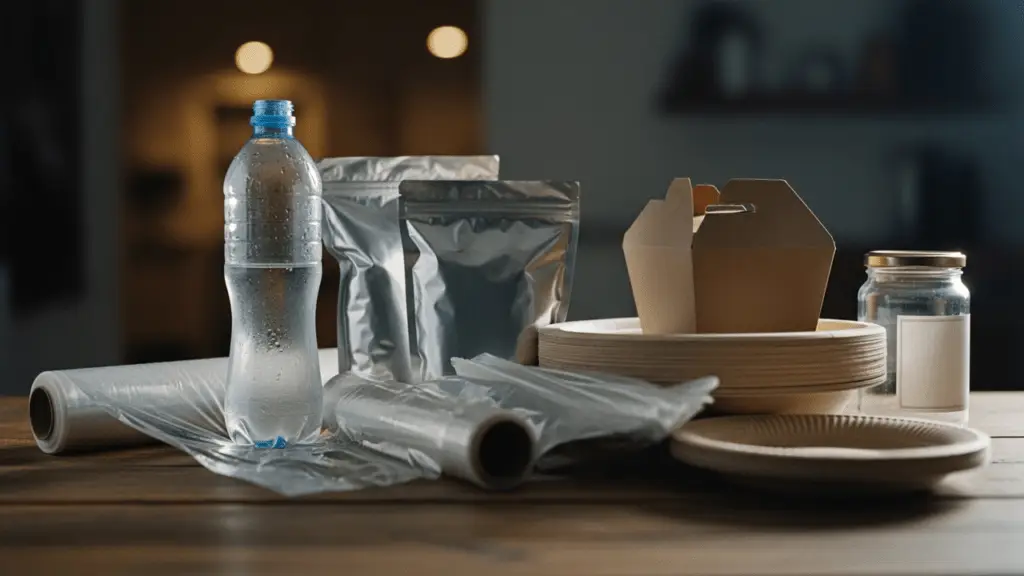
Primary food-contact materials are critical to food safety, product integrity, and regulatory compliance. This course provides a practical overview of how the FDA regulates materials that directly contact food, including bottles, caps, films, cans, paper, and recycled plastics, and how these requirements apply within food manufacturing operations.
Introduction to FDA Food Regulation Framework

This course provides a clear, practical overview of key FDA food regulations found in Title 21 CFR. Participants will review major regulatory requirements, including Part 117 (Preventive Controls), Parts 113 and 114 (Low-Acid Canned Foods and Acidified Foods), Part 108 (emergency permit), Bioterrorism Act (What Food Facilities Must Do), and other critical regulations (101, 120, FSVP).
Contractor Control Programs for Food Facilities

This course provides a structured framework for approving and monitoring contractors, including pre-qualification, required documentation, GMP expectations, tool and chemical controls, and supervision of maintenance or construction activities.
Role of Lab Contamination in Recalls and Product Destruction

Lab contamination is uncommon, but the consequences can be significant. This course outlines how lab errors occur, how to identify them, and what steps companies can take to mitigate risk. Participants will examine case studies, common contamination pathways, and strategies for working with in-house and contract labs to manage unexpected positive results with confidence.
Quality Assurance & Quality Control for FDA Food Compliance

This course provides a practical framework for developing Quality Assurance and Quality Control (QA/QC) systems that align with FDA requirements, including FSMA, 21 CFR 117, and HACCP. Participants will learn how to prepare for FDA audits, reduce the risk of recalls and 483s, and build defensible SOPs, accurate records, and meaningful metrics that protect both food safety and brand integrity.