
Validation of Electronic Record Keeping Systems to Meet the 21 CFR Part 11 Regulation

This course provides a practical overview of the Ball Formula Calculation Method used to determine thermal process time and lethality in low-acid canned foods. Participants review the underlying theory, key parameters, and application of the method, including interpretation of heat penetration data and calculation of heating and cooling factors. The course also examines the method’s advantages and limitations, as well as how it compares with other thermal process calculation approaches.
Ball Formula Calculation Method
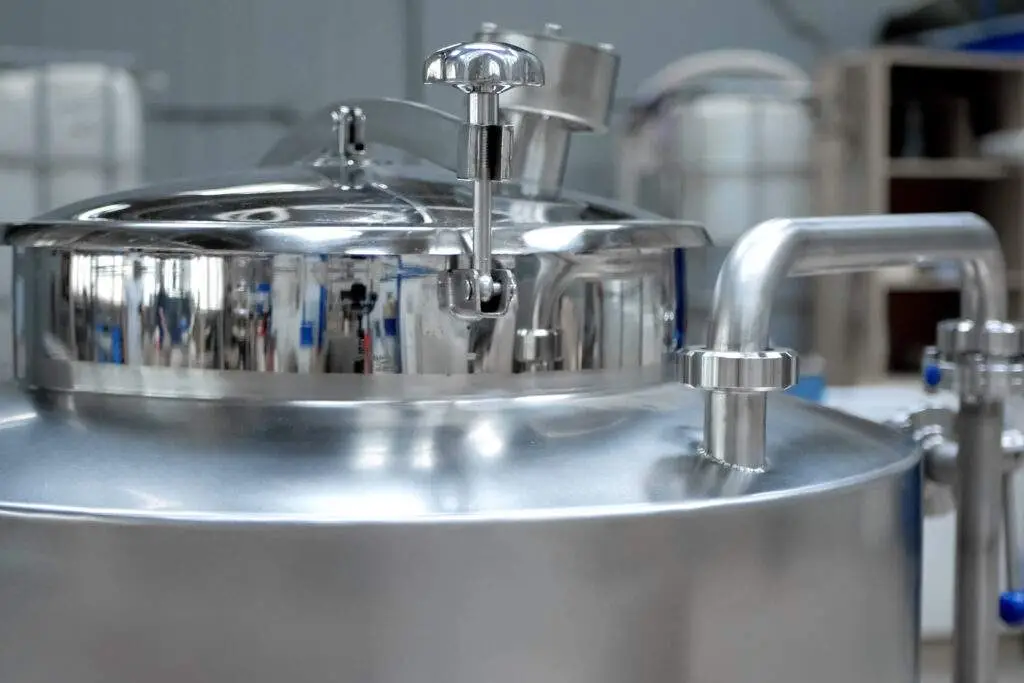
This course provides a practical overview of the Ball Formula Calculation Method used to determine thermal process time and lethality in low-acid canned foods. Participants review the underlying theory, key parameters, and application of the method, including interpretation of heat penetration data and calculation of heating and cooling factors. The course also examines the method’s advantages and limitations, as well as how it compares with other thermal process calculation approaches.
General Method Calculation Procedure
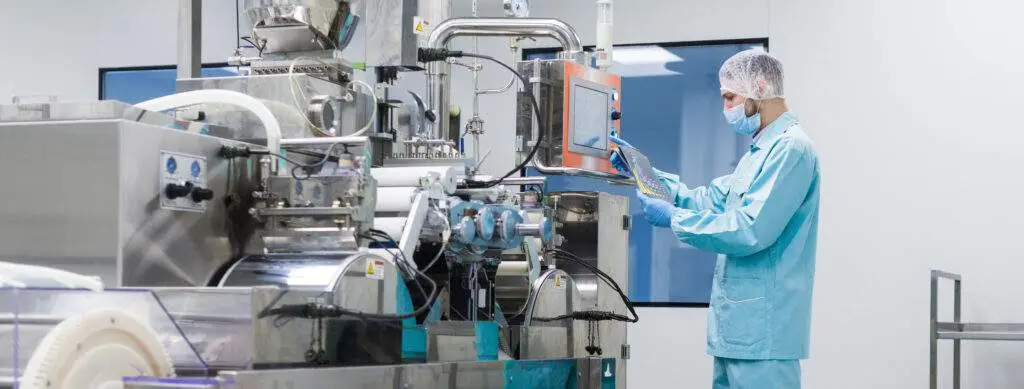
The General Method (GM) is a widely used calculation procedure for thermal process operations that ensures food safety by using actual time–temperature data to determine lethality through the area under the lethal rate curve. This course provides an introduction to the GM approach, covering its theoretical basis, practical application, and key tools.
Temperature Distribution Testing in Retort Systems
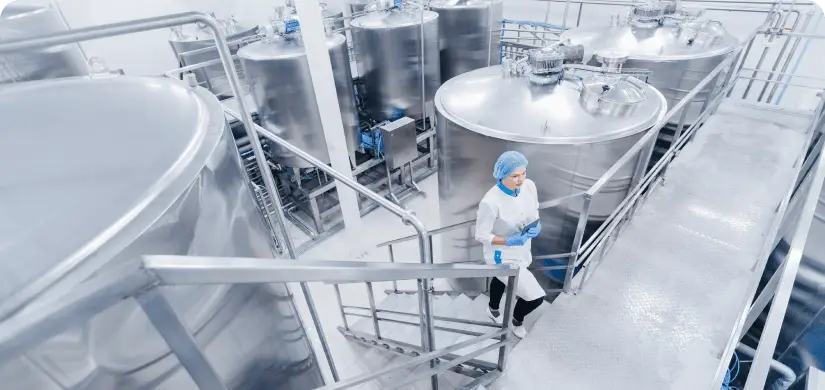
Temperature distribution testing ensures even temperature distribution in retort systems, preventing underprocessing and ensuring food safety. This course covers the principles of temperature distribution, factors affecting heat uniformity, and testing methods used to verify retort performance.
Aseptic Processing and Packaging Systems
This course provides a comprehensive overview of aseptic processing and packaging systems. Participants will explore the fundamental principles of system operations, the regulatory requirements, and the critical role of the aseptic zone in maintaining sterility.
Heat Penetration Theory and Data Acquisition
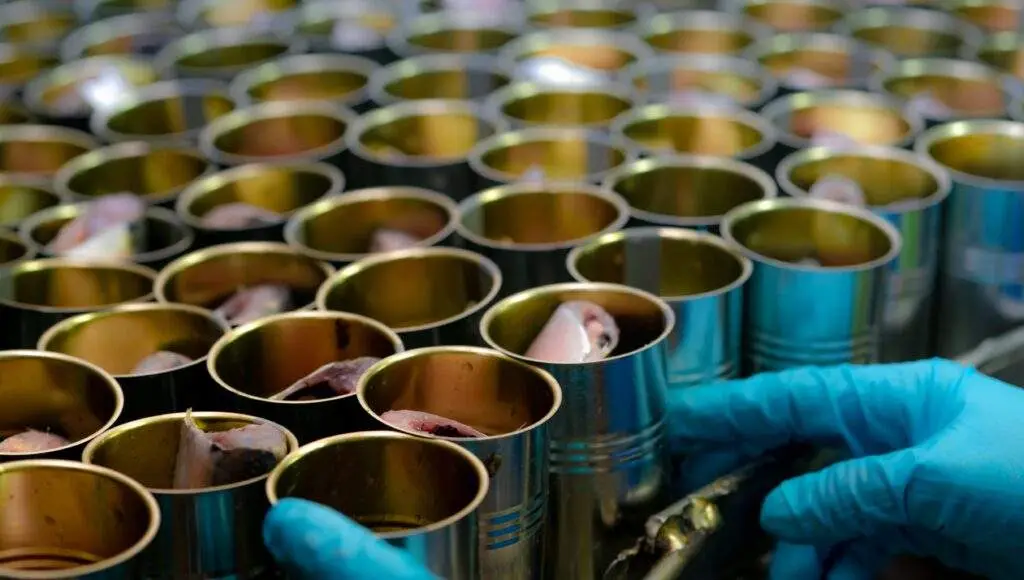
This course covers essential concepts of heat transfer in canned foods and provides the expertise needed to design effective heat penetration tests. Participants will learn about different heating methods — conduction, convection, and induced convection — and the testing equipment used in the field.
Critical Factors in Thermal Processing Operations
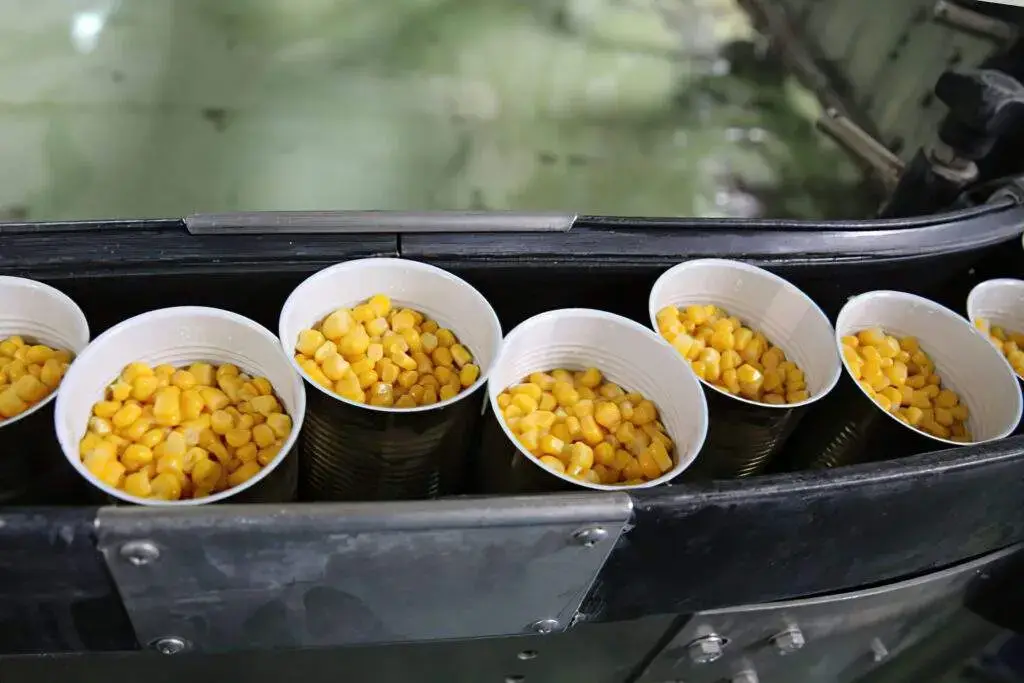
This course will guide you through the essential factors that influence thermal processing, focusing on their impact on product quality and process efficiency. You’ll learn to identify key elements in retort and aseptic systems, making informed decisions to optimize safety and performance in your operations.
Introduction to Food Fermentation

This course provides introductory information related to the fermentation of food. The covered topics include the historical context, scientific principles, major types of food fermentation processes and associated microorganisms, categorization of fermented foods, as well as troubleshooting methods and effective solutions.
General Thermal Bacteriology Applied to Foods
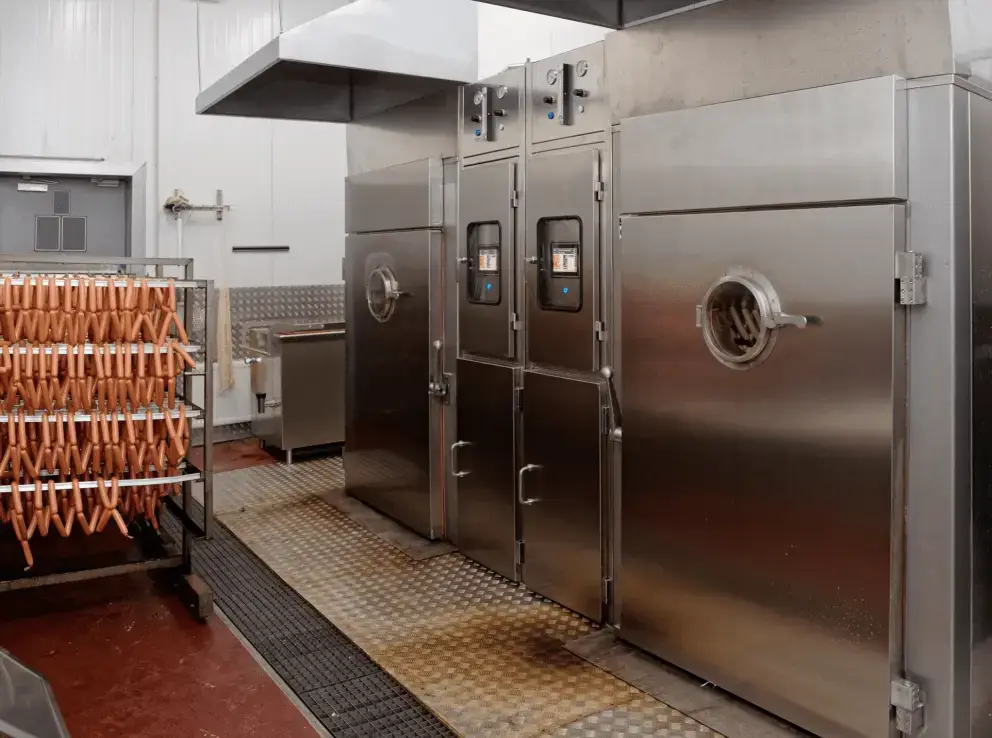
Pathogens, or harmful microorganisms, are responsible for a large number of foodborne illnesses and deaths in the U.S. every year. Many of these infections come from foods that are considered fully cooked. Food producers need to understand how thermal processing removes pathogens from products and what steps are necessary to ensure a successful heat treatment.
Changes to USDA Meat Temperature Regulations

This course will help you interpret updated USDA guidelines and better understand how to ensure the safety and quality of your RTE meat and poultry products.